
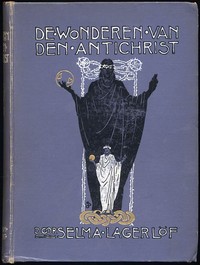
De Wonderen van den Antichrist by Selma Lagerlöf
Selma Lagerlöf, the first woman to win the Nobel Prize in Literature, doesn't give us a simple adventure. 'De Wonderen van den Antichrist' (The Miracles of the Antichrist) is a patient, creeping story about ideas masquerading as miracles.
The Story
The plot kicks off in a small Sicilian town when their beloved statue of the Christ child is stolen from the church. The town mourns its loss. Years pass. Then, reports begin to filter in: the statue has reappeared, first in other parts of Italy, then across Europe. Wherever it goes, 'miracles' happen. The blind see, the lame walk, fortunes are reversed. A young Sicilian aristocrat named Gaetano becomes obsessed with tracking the statue's journey, convinced of its sacred power.
But Lagerlöf slowly turns the screw. These miracles don't lead people to church. Instead, they spark social upheaval. They fuel socialist movements and challenge old authorities. The 'blessings' of the statue seem tied to modern ideologies and material gains, not spiritual peace. Gaetano, and the reader, are left to wonder: Is this statue working for God, or is it the ultimate weapon of the Antichrist—using the appearance of divine power to undermine true faith?
Why You Should Read It
This isn't a fast-paced thriller. It's a moody, thoughtful book that gets under your skin. Lagerlöf's genius is in the unease she builds. She makes you question everything alongside Gaetano. Is the spread of socialism and technology (huge topics in the late 1800s when this was written) a form of progress, or a clever deception that replaces community and spirit with cold ideology? The characters aren't heroes and villains in a classic sense; they're people trying to navigate a world where the rules of good and evil are being rewritten by something they can't understand.
I loved how it made me think about my own time. We're surrounded by 'miracles' of technology and new ideas that promise a better world. Lagerlöf asks us to look closer at the cost. What might we be losing in the trade?
Final Verdict
This book is perfect for readers who love classic literature with big, philosophical questions. If you enjoy the moral puzzles of Dostoevsky or the slow, atmospheric storytelling of someone like George Eliot, you'll find a lot to chew on here. It's also a great pick for anyone interested in the clash between tradition and modernity, or in historical fiction that feels eerily current. Fair warning: it requires a bit of patience, but the lingering questions it plants in your mind are totally worth it.
This digital edition is based on a public domain text. Knowledge should be free and accessible.
George Martin
11 months agoFrom a researcher's perspective, the practical checklists included are a great touch for real-world use. It cleared up a lot of the confusion I had previously.
George Rodriguez
6 months agoFinally found a version that is easy on the eyes.
Nancy Jackson
4 months agoI decided to give this a try based on a colleague's recommendation, the step-by-step breakdown of the methodology is extremely helpful for students. I'm genuinely impressed by the quality of this digital edition.





Paul Jackson
3 months agoGiven the current trends in this field, the author clearly has a deep mastery of the subject matter. This is a solid reference for both beginners and experts.